

Hey there! As a supplier of laser cutters, I often get asked about the differences between a laser cutter and a laser welder. It's a great question, and today, I'm gonna break it down for you.
Let's start with the basics. What exactly is a laser cutter? Well, it's a machine that uses a high - powered laser beam to cut through various materials. It's like a super - precise knife that can slice through metal, wood, plastic, and even some types of fabric. The laser beam is focused on the material, and the intense heat generated by the laser vaporizes or melts the material, creating a clean and precise cut.
On the other hand, a laser welder is designed to join two pieces of material together. Instead of cutting, it uses the laser to heat the edges of the materials to be joined, causing them to melt and fuse. This results in a strong and seamless bond between the two pieces.
Working Principles
The working principle of a laser cutter is centered around the cutting process. The laser generator produces a laser beam, which is then directed through a series of mirrors and lenses to the cutting head. The cutting head focuses the laser beam onto the material surface. As the laser beam interacts with the material, it raises the temperature to the point where the material either vaporizes or melts. A high - pressure gas, usually oxygen or nitrogen, is often used to blow away the molten or vaporized material, leaving behind a clean cut.
For example, when cutting metal, the laser beam melts the metal, and the gas blows the molten metal out of the cut area. This process is highly precise, and the width of the cut, known as the kerf, can be very narrow, often less than a millimeter.
In contrast, a laser welder works by using the laser beam to heat the joint area of two materials. The laser energy is absorbed by the material, causing it to reach its melting point. Once the materials are molten, they flow together and solidify as they cool, forming a weld. The key here is to control the amount of laser energy and the duration of the exposure to ensure a proper weld. Too little energy, and the materials won't melt enough to bond; too much, and you might damage the materials.
Applications
Laser cutters have a wide range of applications. In the manufacturing industry, they're used to cut metal parts for machinery, automotive components, and aerospace parts. They can create intricate shapes and designs with high precision, which is crucial in these industries. For example, in the production of electronic devices, laser cutters can be used to cut circuit boards with very fine details.
In the art and crafts world, laser cutters are also very popular. Artists can use them to cut wood, acrylic, and other materials to create sculptures, jewelry, and decorative items. The ability to cut complex shapes makes it a powerful tool for creative expression.
Laser welders, on the other hand, are mainly used in industries where strong and precise joints are required. In the automotive industry, laser welding is used to join body panels, engine components, and other parts. It provides a high - strength bond that can withstand the stresses and vibrations experienced by a vehicle.
In the jewelry industry, laser welders are used to repair and create jewelry pieces. They can join small and delicate parts without causing damage or discoloration to the surrounding areas. This is especially important when working with precious metals like gold and silver.
Advantages and Disadvantages
One of the biggest advantages of a laser cutter is its precision. It can cut very fine details and complex shapes, which is difficult or impossible to achieve with traditional cutting methods. It also has a relatively low heat - affected zone, which means that the material around the cut area is less likely to be deformed or damaged. Additionally, laser cutters can work with a wide variety of materials, making them very versatile.

However, laser cutters also have some disadvantages. They can be quite expensive to purchase and operate, especially high - power models. The maintenance of the laser source and other components can also be costly. And, depending on the material being cut, there may be some safety concerns, such as the production of fumes or dust.
Laser welders also offer several advantages. They provide a strong and reliable bond with minimal distortion of the materials. The welding process is fast, which can increase productivity. And, like laser cutters, they have a small heat - affected zone, which is beneficial for materials that are sensitive to heat.
But laser welders also have their drawbacks. They require a high level of skill to operate properly, as the welding parameters need to be carefully adjusted for different materials and joint configurations. The initial investment in a laser welder can also be significant.
Cost and Maintenance
When it comes to cost, both laser cutters and laser welders can be quite pricey. The cost of a laser cutter depends on factors such as the power of the laser, the size of the working area, and the type of materials it can cut. High - power industrial laser cutters can cost hundreds of thousands of dollars, while smaller, desktop models for hobbyists can be more affordable, starting at a few thousand dollars.
Similarly, the cost of a laser welder varies depending on its power, features, and the type of welding it can perform. Industrial - grade laser welders can be very expensive, but there are also more budget - friendly options available for small - scale operations.
In terms of maintenance, both machines require regular upkeep. Laser cutters need to have their laser sources, mirrors, and lenses cleaned and aligned regularly to ensure optimal performance. The gas supply system also needs to be checked for leaks and proper pressure.
Laser welders also need to be maintained properly. The laser source, focusing optics, and welding head need to be inspected and cleaned regularly. The cooling system, which is crucial for preventing overheating of the laser components, also requires regular maintenance.
Safety Considerations
Safety is a major concern when using both laser cutters and laser welders. Laser beams are extremely powerful and can cause serious eye and skin damage. Operators need to wear appropriate safety glasses that are designed to block the specific wavelength of the laser being used.
In addition to eye protection, proper ventilation is also essential. When cutting or welding certain materials, harmful fumes and dust can be produced. A good ventilation system can help to remove these pollutants from the work area, protecting the health of the operator.
Conclusion
So, to sum it up, the main difference between a laser cutter and a laser welder is their function. A laser cutter is used to cut materials, while a laser welder is used to join them. Both machines have their own unique advantages, applications, and challenges.
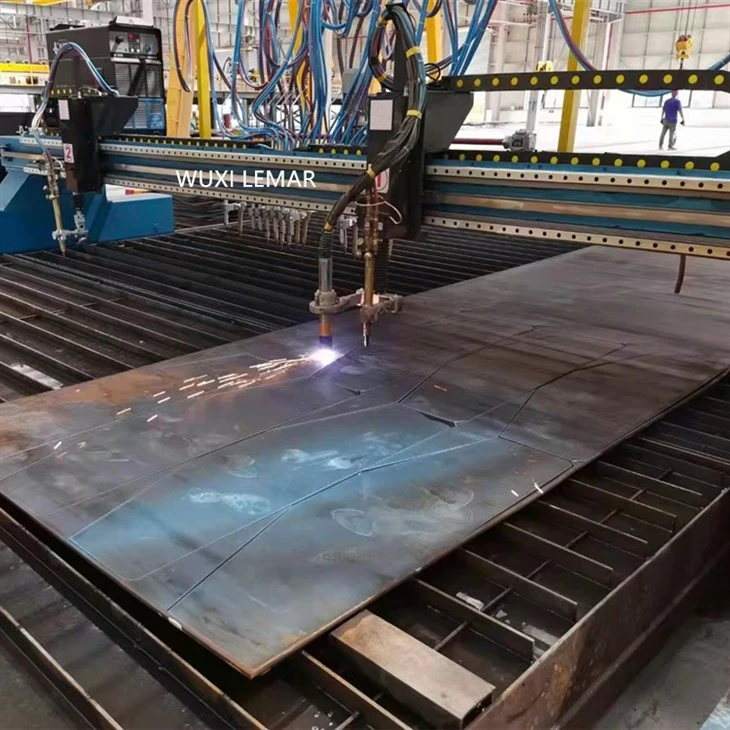
If you're in the market for a cutting solution, you might also want to check out our Automatic Gas Cutting Machine, CNC Plasma Flame Metal Cutting Machine, or Gantry Type CNC Plasma Metal Cutting Machine.
If you're interested in learning more about our laser cutters or have any questions about the differences between laser cutters and laser welders, feel free to reach out. We're always happy to help you find the right solution for your needs and guide you through the purchasing process.