

As a supplier of CNC cutting machines, I often receive inquiries about the possibility of retrofitting old CNC cutting machines. This is a topic of great interest to many businesses, as it can potentially save a significant amount of money compared to purchasing a brand - new machine. In this blog, I will explore the feasibility of retrofitting old CNC cutting machines, discussing the advantages, challenges, and key considerations.
Advantages of Retrofitting
One of the most significant advantages of retrofitting an old CNC cutting machine is cost - savings. New CNC cutting machines, such as the CNC Plasma Cutting Machine Portable, can be quite expensive. By retrofitting an existing machine, businesses can upgrade its capabilities at a fraction of the cost of a new purchase. This is especially beneficial for small and medium - sized enterprises with limited budgets.

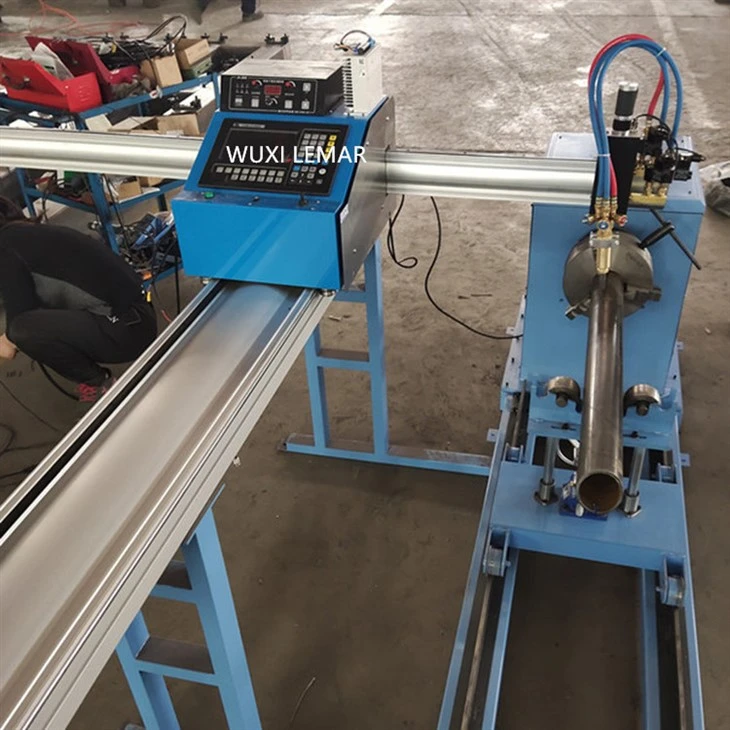
Another advantage is the reduction in downtime. When a company buys a new machine, there is a period of installation, calibration, and training for the operators. In contrast, retrofitting an old machine can often be completed more quickly, minimizing the disruption to the production process. The operators are already familiar with the basic operation of the machine, so the learning curve for the new features is relatively short.
Retrofitting can also improve the performance of the old CNC cutting machine. For example, upgrading the control system can enhance the accuracy and speed of the cutting process. Newer software can provide better programming capabilities, allowing for more complex cutting patterns and improved efficiency. Additionally, replacing worn - out components can restore the machine's reliability and reduce the frequency of breakdowns.
Challenges in Retrofitting
However, retrofitting an old CNC cutting machine is not without its challenges. One of the main difficulties is compatibility. The old machine may have been built using outdated technology, and finding components that are compatible with the existing system can be a challenge. For instance, if the machine has an old - fashioned control unit, it might be difficult to integrate new software or hardware.
Another challenge is the availability of parts. Some old CNC cutting machines may be from manufacturers that are no longer in business or have stopped producing replacement parts. This can make it difficult and time - consuming to find the necessary components for the retrofit.
The complexity of the retrofit process is also a significant challenge. Retrofitting often involves a deep understanding of both the old and new technologies. It may require the skills of experienced technicians who are familiar with CNC systems, electrical engineering, and mechanical design. If the retrofit is not carried out correctly, it can lead to further problems, such as reduced performance or even machine failure.
Key Considerations
Before deciding to retrofit an old CNC cutting machine, several key considerations should be taken into account.
Firstly, it is essential to assess the current condition of the machine. If the machine has significant structural damage or wear and tear, retrofitting may not be a viable option. A thorough inspection by a qualified technician can help determine whether the machine is worth retrofitting.
Secondly, the business needs to consider its long - term goals. If the company plans to expand its production capacity or produce more complex parts in the future, a retrofit may not provide enough upgrade potential. In such cases, investing in a new machine, like the CNC Beam Plasma Cutting Machine, might be a better choice.
The cost - benefit analysis is another crucial consideration. While retrofitting is generally cheaper than buying a new machine, the cost of the retrofit should be compared with the expected improvements in performance and productivity. It is important to calculate the return on investment (ROI) to ensure that the retrofit is a financially sound decision.
The Retrofitting Process
If a business decides to proceed with the retrofit, the process typically involves several steps.
The first step is to conduct a detailed assessment of the machine. This includes evaluating the mechanical, electrical, and control systems. The technician will identify the components that need to be replaced or upgraded and determine the compatibility of new parts with the existing system.
Next, the necessary parts and components are sourced. This may involve working with suppliers to find the right parts, which can be a time - consuming process, especially for older machines.
Once the parts are obtained, the installation process begins. This includes removing the old components and installing the new ones. The electrical connections need to be carefully made, and the new software needs to be installed and configured.
After the installation, the machine needs to be thoroughly tested. This includes testing the basic functionality, accuracy, and speed of the cutting process. Any issues or errors need to be identified and resolved before the machine is put back into production.
Case Studies
To illustrate the potential of retrofitting, let's look at a few case studies.
A small metal fabrication company had an old CNC cutting machine that was experiencing frequent breakdowns and had limited cutting capabilities. Instead of purchasing a new machine, they decided to retrofit it. They upgraded the control system, replaced the worn - out cutting torch, and installed new software. After the retrofit, the machine's accuracy improved significantly, and the production speed increased by 30%. The company was able to take on more complex orders and improve its overall competitiveness.
Another case is a medium - sized manufacturing plant that had a fleet of old multi - head cutting machines. They retrofitted these machines with new control systems and sensors. The retrofit not only improved the cutting quality but also allowed for better monitoring and control of the production process. As a result, the plant was able to reduce waste and increase efficiency, leading to significant cost savings.
Conclusion
In conclusion, it is possible to retrofit an old CNC cutting machine, and it can offer significant advantages in terms of cost - savings, reduced downtime, and improved performance. However, it also comes with challenges, such as compatibility issues and the complexity of the retrofit process. Before making a decision, businesses need to carefully assess the condition of the machine, their long - term goals, and conduct a cost - benefit analysis.
If you are considering retrofitting your old CNC cutting machine or are interested in our Multi - head Strip Cutting Machine and other CNC cutting solutions, we are here to help. Our team of experts can provide you with professional advice and support throughout the process. Contact us to discuss your specific needs and explore the best options for your business.